Bees vs. Wasps: Understanding the Difference for Proper Pest Control
People searching for bee and wasp pest control want to safely remove stinging insects, and local contractors can provide expert services to handle each species properly.
Understanding the differences between bees and wasps is essential for property owners who want to handle pest concerns effectively and safely. While both insects can build nests on or near structures, their behaviors, nest locations, and responses to disturbances vary significantly. Recognizing these distinctions can help property owners determine the appropriate approach to pest control, reducing the risk of unnecessary harm and ensuring the safety of residents and pets. For those in the area dealing with potential insect nests or stings, exploring how local contractors handle bees vs. wasps can provide clarity and peace of mind.
This knowledge is especially useful for property owners who notice buzzing activity or nest formations around their property. Proper identification can prevent missteps, such as attempting to remove a bee hive that requires delicate handling or addressing wasp activity that might escalate quickly. Local service providers experienced in bee and wasp pest control can assess the situation accurately and recommend the most effective, safe, and responsible solutions. Keep reading to learn more about the key differences and how trusted professionals can assist in managing these insects properly.
- Bee pest removal - needed when bees establish colonies near homes or in hard-to-reach areas, with local contractors safely relocating hives.
- - required when wasps build nests in eaves, attics, or outdoor structures, with service providers using targeted removal techniques.
- Bee and wasp nest removal - essential when nests pose a threat to residents, with local pros carefully removing or destroying the nests to prevent re-infestation.
- Wild bee and wasp habitat management - applicable when controlling ongoing populations in yards or gardens, with professionals implementing humane or exclusion methods.
- Pest identification and prevention - important for distinguishing bees from wasps to determine the proper approach, with local experts providing tailored solutions.
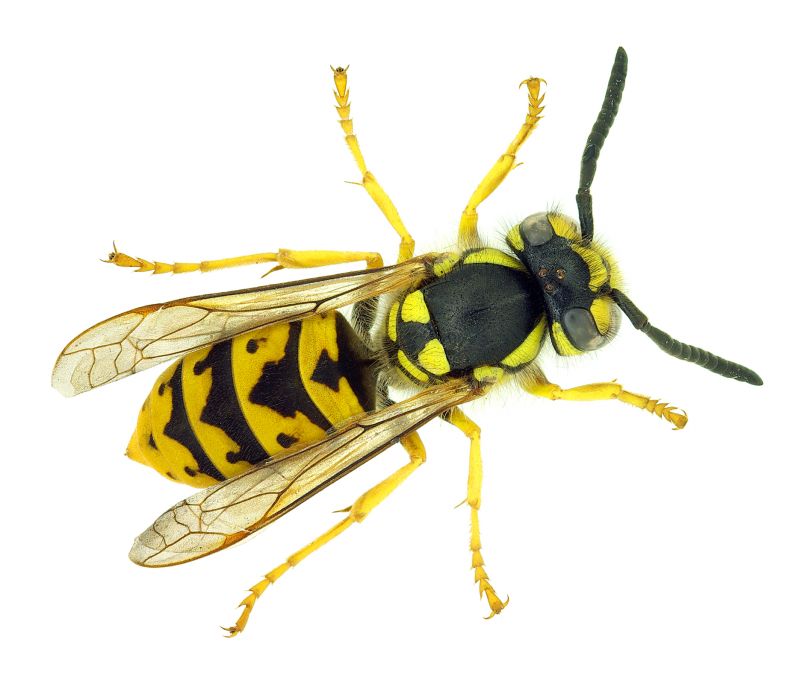
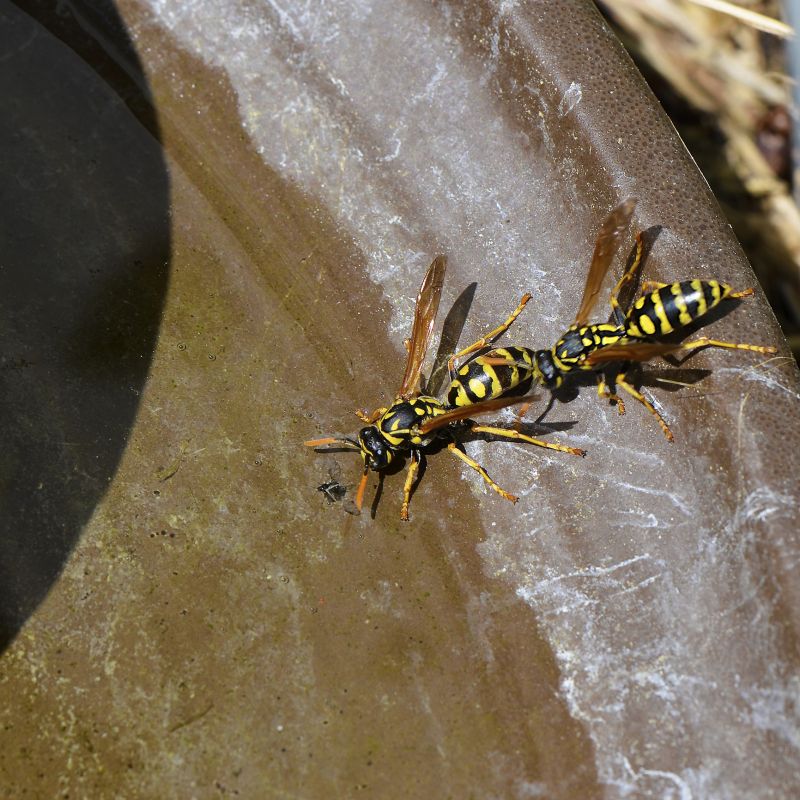
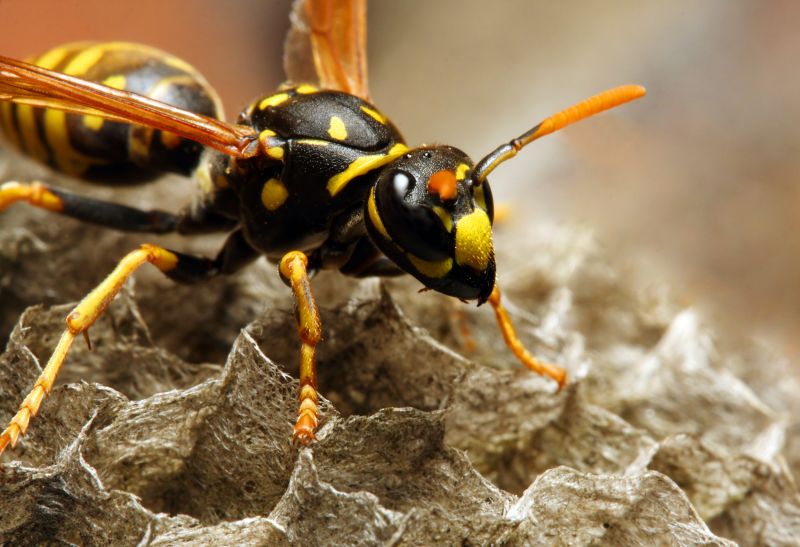
When people search for bees vs. wasps: understanding the difference for proper pest control, they are often trying to identify what type of insect is causing a problem around their property. This distinction is important because bees and wasps have different behaviors, nesting habits, and responses to removal efforts. Homeowners may notice aggressive stings, unusual buzzing, or nests appearing in their yard, prompting concerns about safety and property damage. Clarifying which insect is involved helps determine the most effective approach to managing the situation and avoiding unnecessary harm to beneficial pollinators like bees.
These searches are closely related to common problems such as unwanted nests, increased insect activity during warmer months, or the need to protect children, pets, and outdoor spaces. Many property owners plan to remove or relocate nests safely, especially when the insects pose a threat or interfere with outdoor activities. In some cases, the goal is to prevent future infestations by identifying the species involved and understanding their nesting preferences. Local pest control service providers can evaluate the situation, recommend appropriate removal methods, and help ensure that the right techniques are used for each type of insect, whether it involves bees or wasps.
The types of properties where bees vs. wasps: understanding the difference for proper pest control often come into play include residential homes, commercial buildings, and recreational areas. Residential properties are frequently affected by wasp nests built in eaves, under decks, or in shrubs, while bee activity may be observed around flowering plants or in underground colonies. Commercial spaces such as restaurants or outdoor event venues also need to manage these pests to maintain safety and comfort. Additionally, parks, schools, and community gardens may encounter both bees and wasps, requiring professional assistance to handle nests without harming beneficial populations or causing damage.
Understanding the differences between bees and wasps is essential for effective pest control because each species requires a tailored approach. Bees, especially honeybees, are often protected due to their role in pollination, and their removal may involve safe relocation rather than extermination. Wasps, on the other hand, tend to be more aggressive and are often targeted for removal when nests threaten safety. Local service providers specializing in bee and wasp pest control are equipped to identify the species involved, assess the situation, and implement appropriate solutions. Proper identification and treatment help ensure that property owners can manage these insects effectively while minimizing risks to people and beneficial pollinators.
Wildlife removal services involve safely removing and relocating stinging insects like bees and wasps, which requires understanding their behaviors and nesting habits.
Pest inspection services include identifying insect nests and differentiating between bee and wasp activity to recommend appropriate control methods.
Insect exclusion services focus on sealing entry points and preventing future infestations, a skill applicable to managing bee and wasp nests around properties.
Yard and property cleanup services help remove old nests and debris that attract wasps, aiding in pest prevention and control efforts.
Emergency pest response services provide rapid assistance for urgent bee or wasp nest removals that pose immediate safety concerns.
Structural repair services include fixing damaged areas where nests may be built, supporting long-term pest management strategies for bees and wasps.
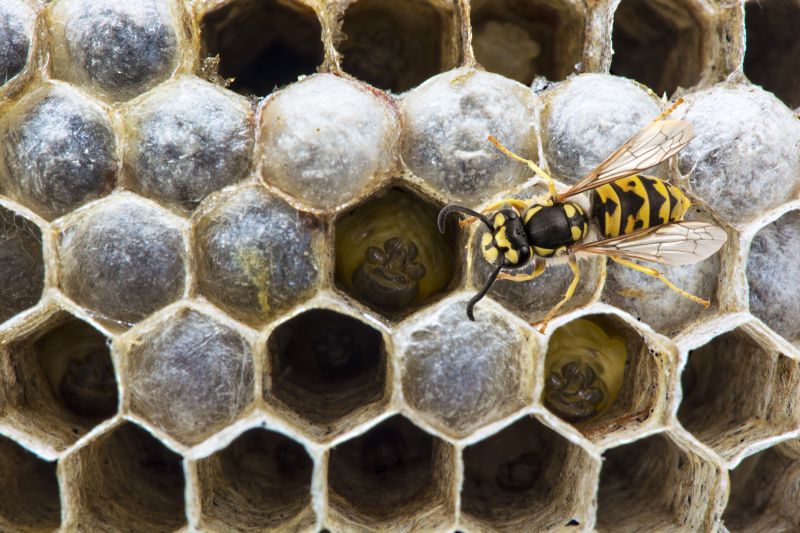
When choosing service providers for bees vs. wasps: understanding the difference for proper pest control, it’s important to consider their experience with similar projects. Local contractors who have handled both bee and wasp infestations can offer insights into the most effective and humane removal methods, ensuring the job is done safely and properly. Asking about their previous work with these specific pests can help determine if they have the practical knowledge needed to address the unique behaviors and nesting habits of bees versus wasps, reducing the risk of complications during the process.
Clear written expectations are essential when comparing local pros for bee and wasp pest control services. A reputable contractor should provide detailed information about the scope of work, including inspection procedures, removal techniques, and follow-up recommendations. This transparency helps homeowners understand what to expect, ensures there are no surprises, and allows for better planning. Well-defined expectations also serve as a basis for assessing the professionalism of the service provider and their commitment to thorough, responsible pest management.
Reputable references and good communication are key factors when selecting local contractors for bee and wasp control. Service providers with positive references from previous clients demonstrate a track record of reliable, effective work. Additionally, clear and responsive communication from the contractor indicates a commitment to customer service and helps clarify any questions about the process or safety considerations. Choosing a provider who maintains open lines of communication and has established trust can lead to a smoother experience and more confidence in the pest control approach tailored to the specific needs of bees or wasps.
Property owners often search for bees vs. wasps: understanding the difference for proper pest control when they are planning practical projects around their homes and businesses. Local pros provide Bee and Wasp Pest Control services for everyday jobs and straightforward project options.
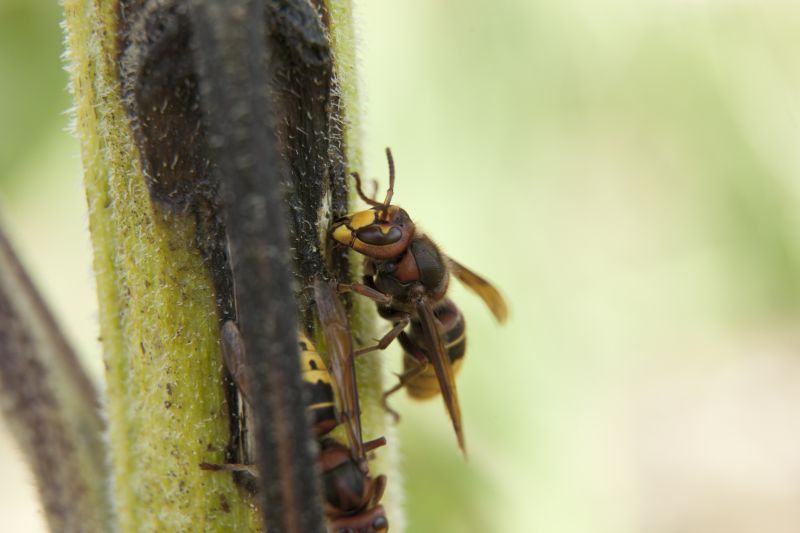
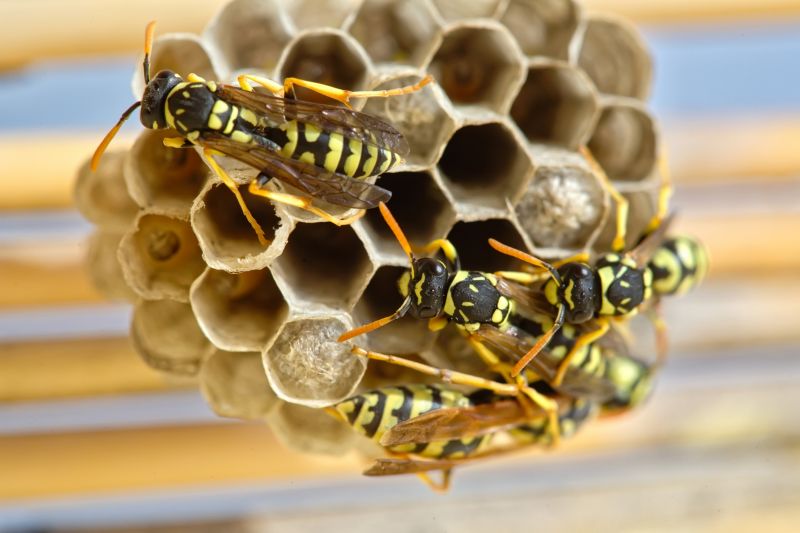
Understanding the differences between bees and wasps can be important for property owners dealing with nests or sightings around their homes and yards. Bees, such as honeybees and bumblebees, are generally less aggressive and tend to stay close to their hives, while wasps are more territorial and can become aggressive if disturbed. Recognizing these distinctions helps in determining the appropriate approach to pest control, especially when considering removal or relocation options. Property owners in the area might seek out local contractors who specialize in bee and wasp pest control services to safely and effectively handle these insects, ensuring the safety of residents and the preservation of beneficial pollinators when possible.
Many local residents look up information on bees vs. wasps to better understand how to manage these insects around their property. Whether dealing with a sudden wasp invasion or noticing a bee hive near a family gathering space, knowing the difference can influence the best course of action. Local service providers are equipped to identify whether a nest contains bees or wasps and can recommend suitable removal or exclusion methods. Connecting with experienced local contractors ensures that the job is handled properly, reducing the risk of stings and preventing future infestations while respecting the role these insects play in the environment.
What is the main difference between bees and wasps? Bees are generally hairy and have a barbed stinger, which they can only sting once, while wasps have a smooth stinger and can sting multiple times. Local service providers can identify these insects to determine the appropriate pest control approach.
Why is it important to distinguish bees from wasps for pest control? Proper identification ensures that bees, which are beneficial pollinators, are protected or relocated, whereas wasps are often considered pests and may require removal or extermination by local contractors.
Are bees or wasps more aggressive in defending their nests? Wasps tend to be more aggressive and quicker to sting when disturbed, while bees usually only sting in self-defense. Pest control services can safely handle nests of either insect type to prevent stings and damage.
Can local pest control services remove both bees and wasps? Yes, experienced service providers can handle the removal or relocation of bee and wasp nests, using methods suited to each insect type to ensure safe and effective pest control.
How do I know if I have a bee or wasp infestation? Signs include the presence of nests, visible insects around the property, or increased activity near eaves and shrubs. Local pros can assess the situation and recommend appropriate pest control solutions.
Identifying bee and wasp nests - property owners can learn to recognize the different types of nests to inform proper pest control approaches with local contractors.
Choosing the right removal method - understanding whether bees or wasps are involved helps determine if gentle relocation or removal is appropriate, which local service providers can assist with.
Timing pest control efforts - knowing the active seasons for bees and wasps allows property owners to plan treatments when pests are most visible or aggressive, with guidance from local experts.
Preventing future infestations - implementing specific exclusion and sealing techniques based on the pest type can reduce recurring problems, with help from local contractors experienced in bee and wasp control.
If you are thinking about bees vs. wasps: understanding the difference for proper pest control for a property, this guide is meant to help you understand this topic, the typical project types, and how different options might fit your plans.
When you are ready, you can use the quote form on this page to share a few details about your project. From there, local pros can review the basics and follow up with options that match what you have in mind.