Best Time for Carpenter Bee Extermination

Carpenter bees become active in spring, making it the ideal time for extermination before they establish colonies.
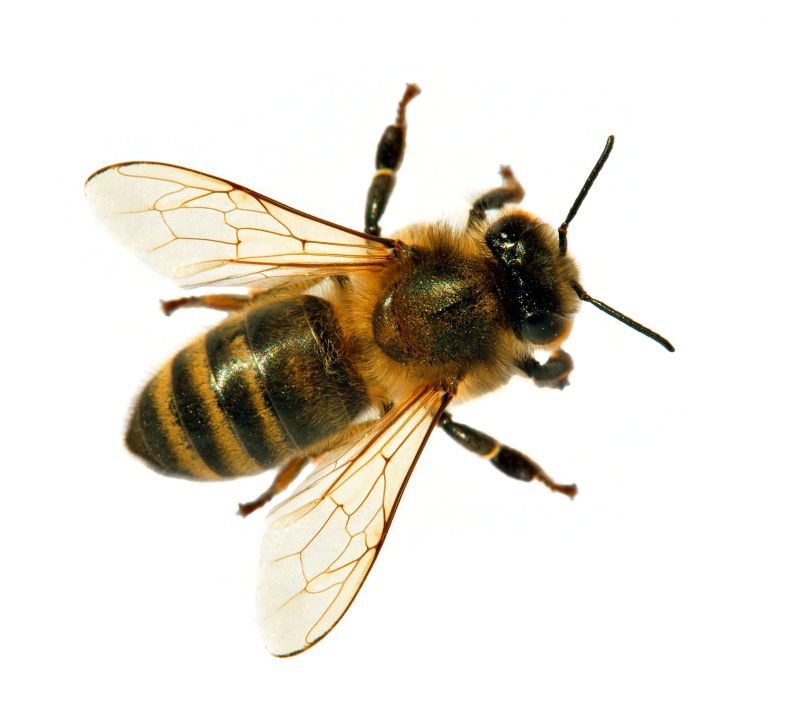
Summer months see increased bee activity; early intervention can prevent extensive damage and infestation.
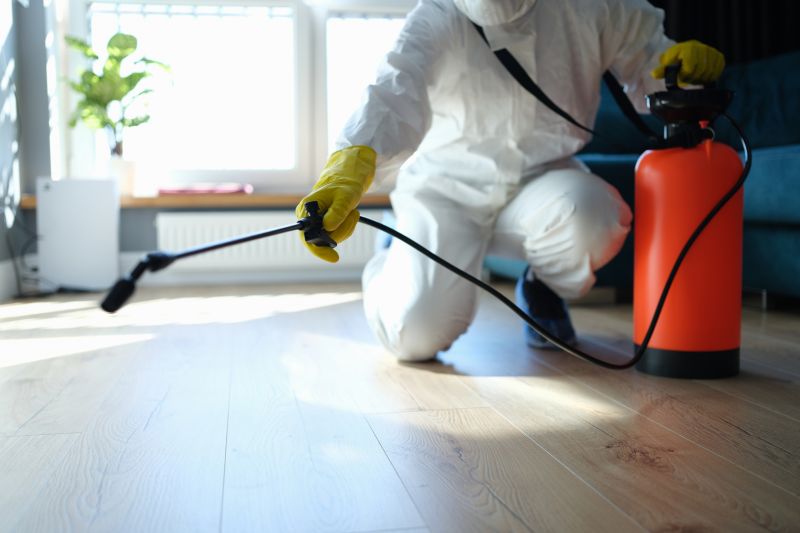
Extermination during fall or winter is less effective as bees are less active, but damage repair can be scheduled afterward.
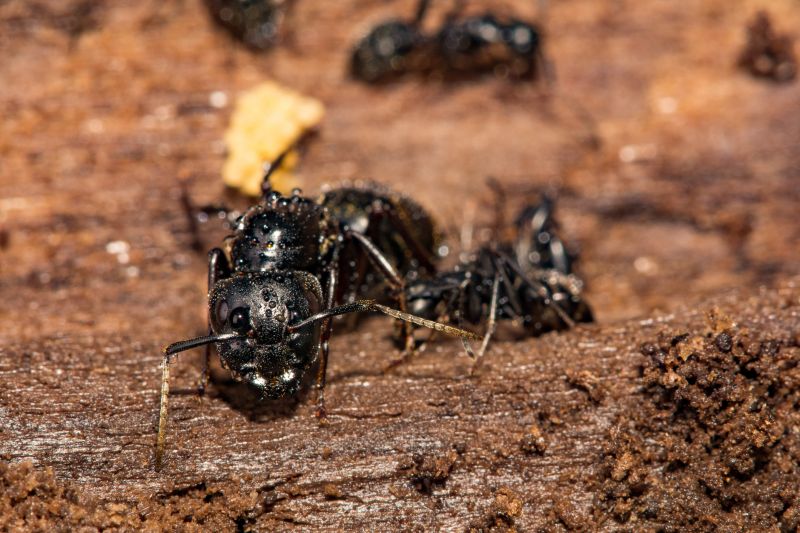
Ways to make Carpenter Bee Exterminations work in tight or awkward layouts.

Popular materials for Carpenter Bee Exterminations and why they hold up over time.
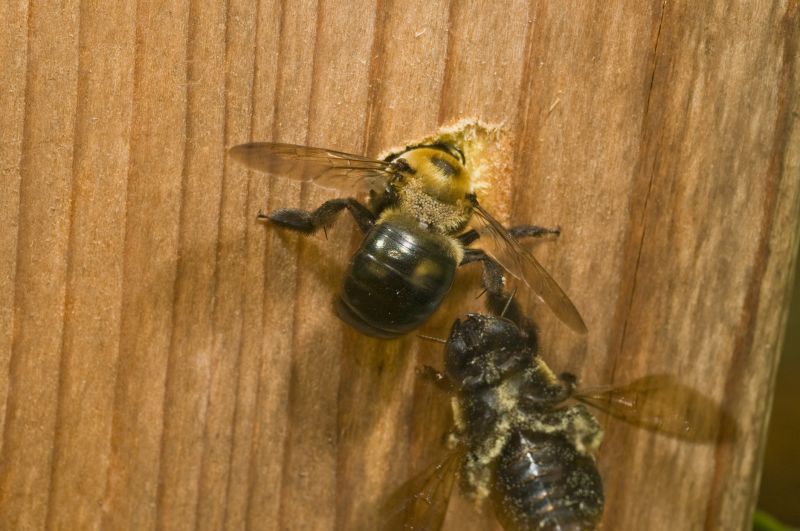
Simple add-ons that improve Carpenter Bee Exterminations without blowing the budget.
Carpenter bee extermination is most effective when performed during periods of high bee activity, typically in spring and early summer. During these times, bees are actively nesting and can be more easily located and removed. Addressing infestations early helps prevent structural damage, as carpenter bees bore into wood to create their nests, which can weaken the integrity of structures over time.
Statistics indicate that untreated carpenter bee colonies can cause significant damage, with some structures experiencing up to 10% wood loss if infestations persist. Extermination efforts during peak activity periods reduce the likelihood of prolonged damage and help manage populations before they expand further.
Carpenter bees prefer unpainted, untreated wood for nesting and are most active during warm months.
Hollowed-out wood, sawdust, and buzzing sounds are common indicators of carpenter bee activity.
Sealing wood and applying protective coatings can help prevent future infestations.
Professional extermination typically involves targeted insecticide treatments and nest removal.
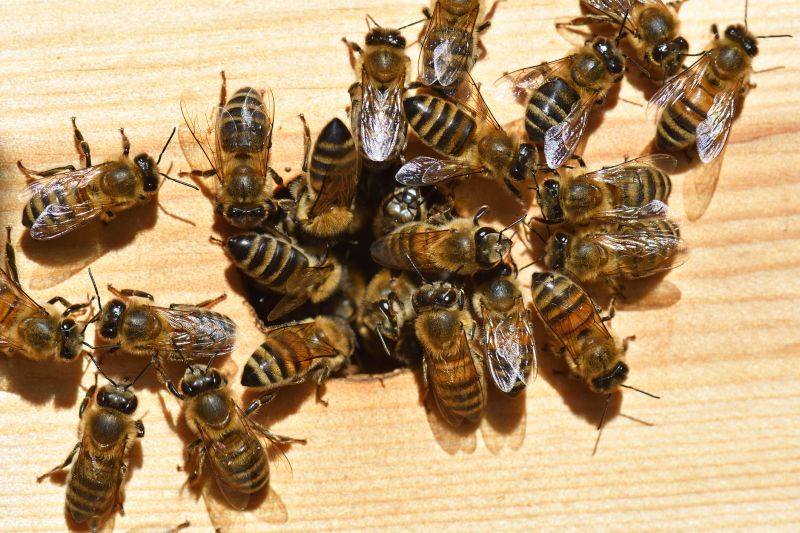
Wood with visible holes and frass.
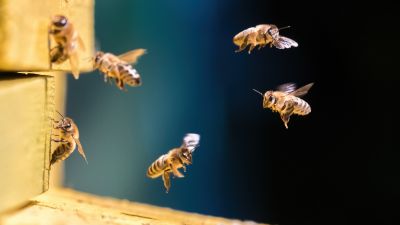
Bees entering a wooden siding.

Spray applicator targeting bee nests.

Sealed and treated wood to prevent future infestation.
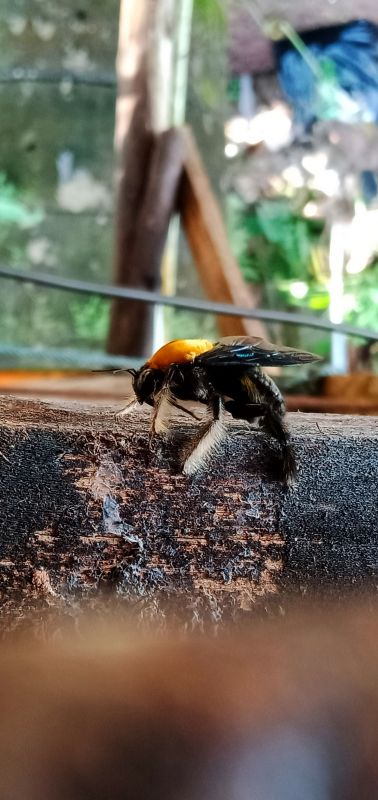
Large congregation of carpenter bees.
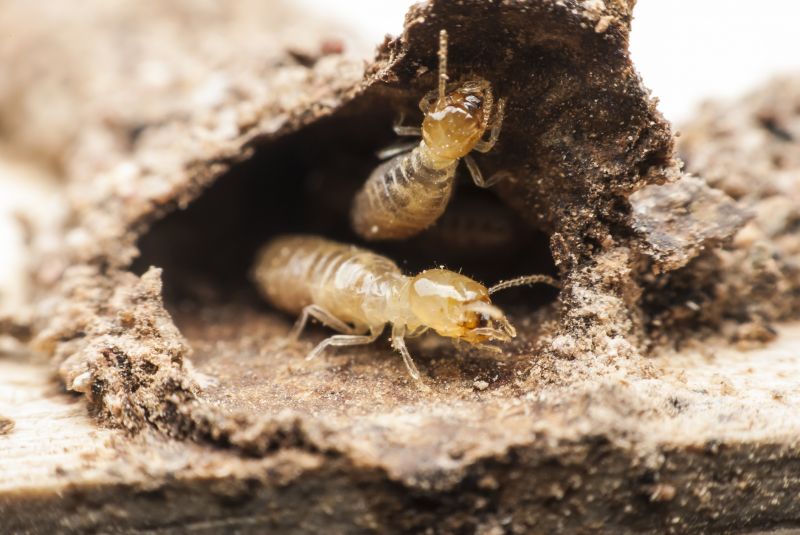
Hollowed-out wood with visible tunnels.

Technicians applying treatments.

Checking for residual activity.
| Season | Recommended Action |
|---|---|
| Spring | Begin extermination before bees establish nests. |
| Early Summer | Ideal time for removal and treatment. |
| Late Summer | Manage ongoing activity and prevent expansion. |
| Fall | Assess damage; schedule repairs and follow-up treatments. |
| Winter | Limited activity; focus on structural repairs. |
Effective carpenter bee extermination requires understanding their seasonal behaviors. Initiating treatment in early spring can prevent colony establishment, while summer treatments target active nests. Fall inspections ensure that any remaining activity is addressed, reducing the risk of further damage. Proper timing enhances the success rate of eradication efforts and minimizes wood damage.
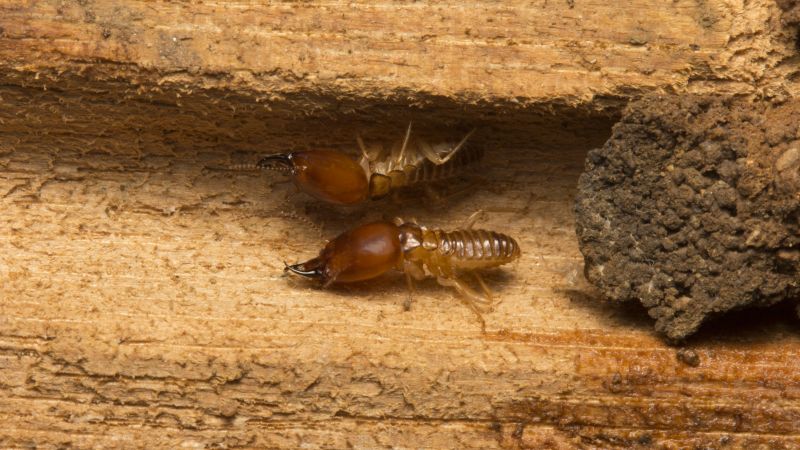
Hollowed wood with multiple entry holes.
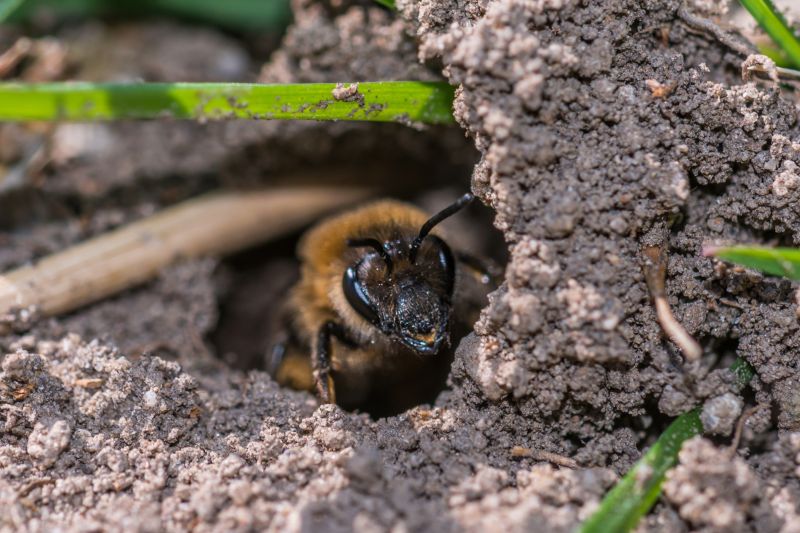
Close-up of a bee hole in wood.
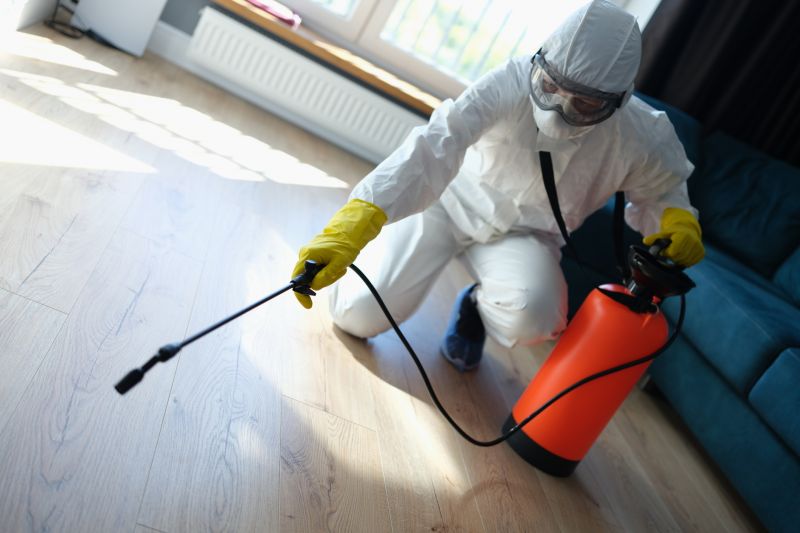
Applying insecticide to infested wood.
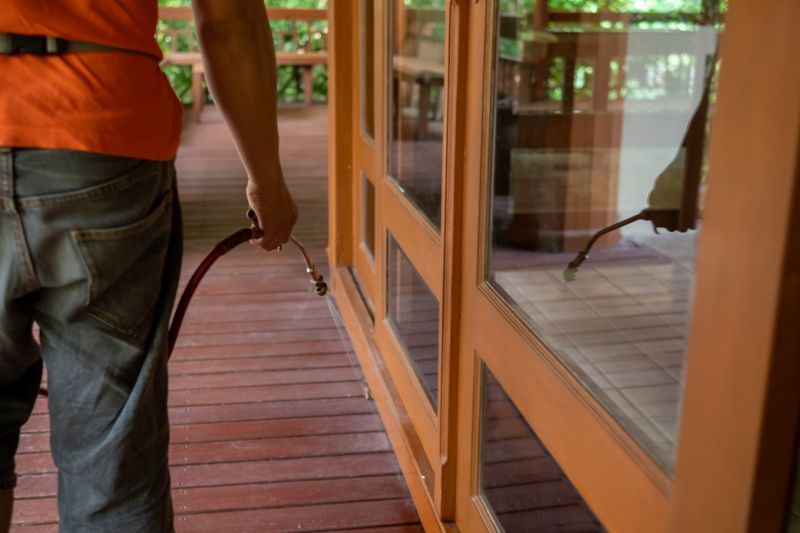
Sealed and treated wood surface.
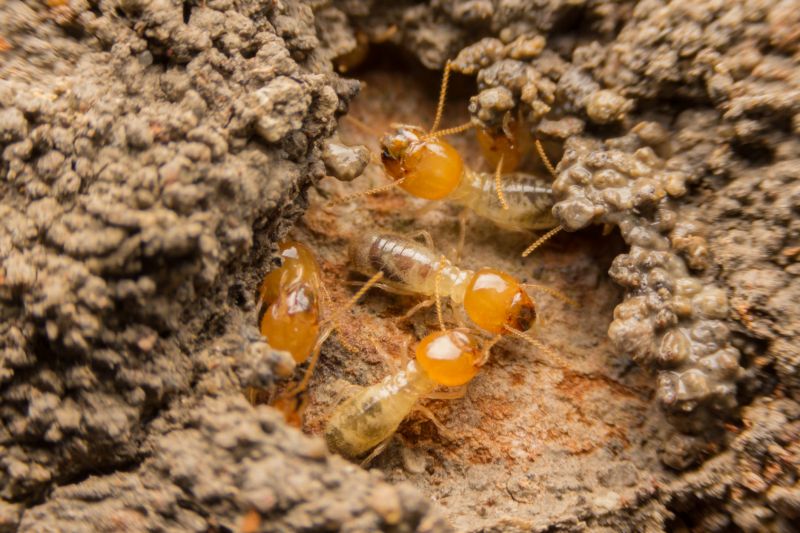
High-end options that actually feel worth it for Carpenter Bee Exterminations.
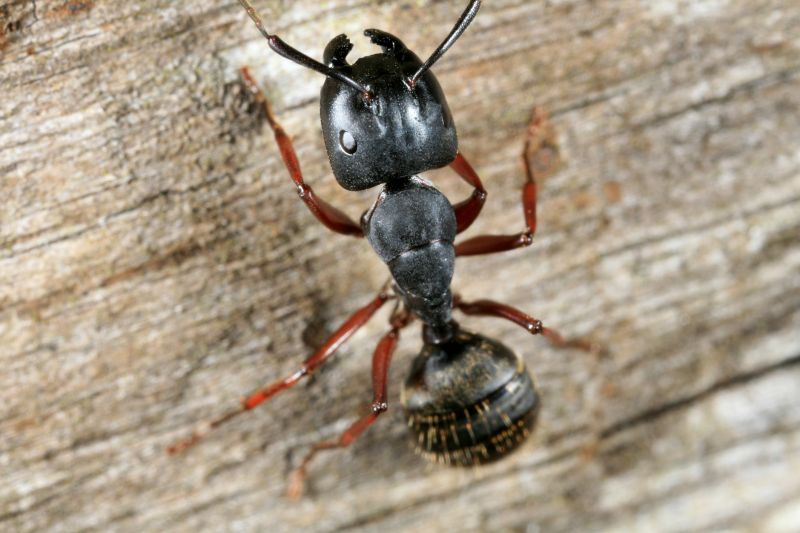
Finishes and colors that play nicely with Carpenter Bee Exterminations.

Little measurements that prevent headaches on Carpenter Bee Exterminations day.
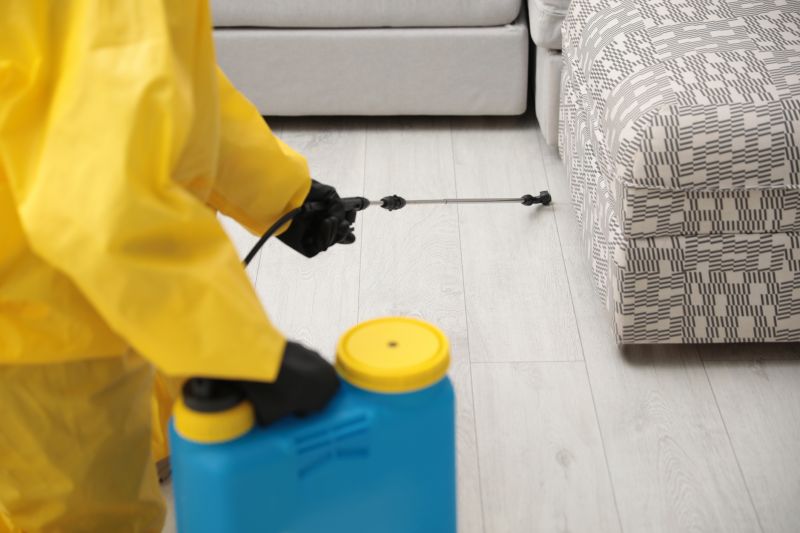
A 60-second routine that keeps Carpenter Bee Exterminations looking new.
Timely extermination not only removes active colonies but also helps prevent structural damage and future infestations. Regular inspections during high activity seasons are recommended for property owners seeking to maintain wood integrity and avoid costly repairs. Professional treatments are tailored to the specific needs of each infestation, ensuring effective control.
Interested in addressing carpenter bee issues? Filling out the contact form can provide more information on available extermination options and scheduling treatments to protect properties from further damage.